
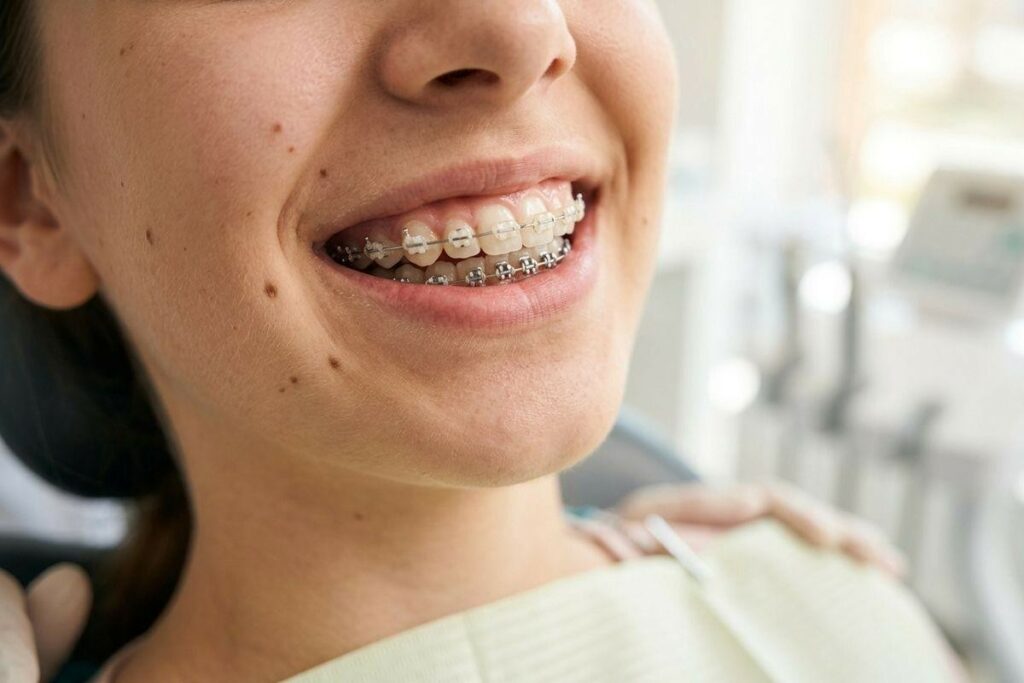
The day you get braces, your mouth feels different. Your teeth often feel tender, and you suddenly need to rethink every meal. You might wonder what foods are safe to eat and which ones you need to avoid.
Eat soft foods like yogurt, pasta, and mashed potatoes to protect your brackets, while avoiding hard, crunchy, or sticky items that can damage your braces. The foods you choose can affect your comfort and help keep your treatment on track. Make a few simple adjustments, and eating with braces gets much easier.
Why Food Choices Matter with Braces
Braces work by applying steady, gentle pressure to your teeth over time. That process depends on the brackets and wires staying intact. When you bite into something hard or pull at something sticky, you risk bending a wire or popping a bracket off the tooth. Even one broken bracket can slow down your treatment timeline. Orthodontic treatment depends on consistent, uninterrupted pressure, and what you eat plays a direct role in keeping that process on track.
Beyond damage, certain textures can make soreness worse, especially in the first few days. Choosing the right foods during that early window makes a real difference in how comfortable you feel.
Safe Foods to Eat with Braces
Knowing what you can eat makes the transition to braces much smoother. Your diet will look a little different right after your appointment compared to a few weeks later.
Soft Foods for the First Few Days
Right after getting braces, your teeth and gums will likely feel tender. This is normal. It’s also temporary. Sticking to soft foods during this window helps you eat comfortably without putting extra pressure on your brackets.
Good options for those first few days include:
- Yogurt and smoothies
- Mashed potatoes and soft soups
- Scrambled eggs
- Soft-cooked pasta
- Oatmeal and soft bread
These foods are gentle on both the brackets and your gums. You won’t have to chew hard, and they’re filling enough to keep you going through the day.
Foods That Work Long-Term
Your food options open up considerably once the initial soreness fades. The key is texture and preparation. Many foods that seem off-limits are actually fine with a small adjustment.
Keep these options in mind for your regular diet:
- Cooked vegetables instead of raw ones
- Soft fruits like bananas, grapes, and melon
- Tender proteins like fish, ground meat, and chicken cut into small pieces
- Cheese, rice, and soft bread without a tough or chewy crust
Cut your food into smaller bites before chewing and take pressure off your front brackets. This simple step helps prevent the most common types of bracket damage.
Foods to Avoid with Braces
Certain foods pose a direct risk to your braces. Avoid specific textures and protect your braces from unnecessary damage.
Hard & Crunchy Foods
Hard foods are one of the top reasons people end up back at the dental office with a broken bracket. The force required to bite through them puts direct stress on the brackets and wires.
Keep these hard items out of your diet:
- Popcorn, including unpopped kernels at the bottom of the bag
- Nuts and hard seeds
- Hard candies
- Raw carrots and apples eaten whole
- Ice chewing
Ice chewing is worth calling out on its own. It’s a habit many people don’t even think about, but it can loosen or break brackets faster than almost anything else.
Sticky & Chewy Foods
Sticky foods create a different kind of problem. They wrap around wires and pull at brackets as you chew. Even if nothing breaks right away, the repeated tugging wears things down over time.
Set these sticky foods aside for the length of your treatment:
- Gummy candies and fruit chews
- Gum
- Caramel and toffee
- Chewy granola bars
- Bagels and chewy bread
How to Keep Your Teeth Clean with Braces
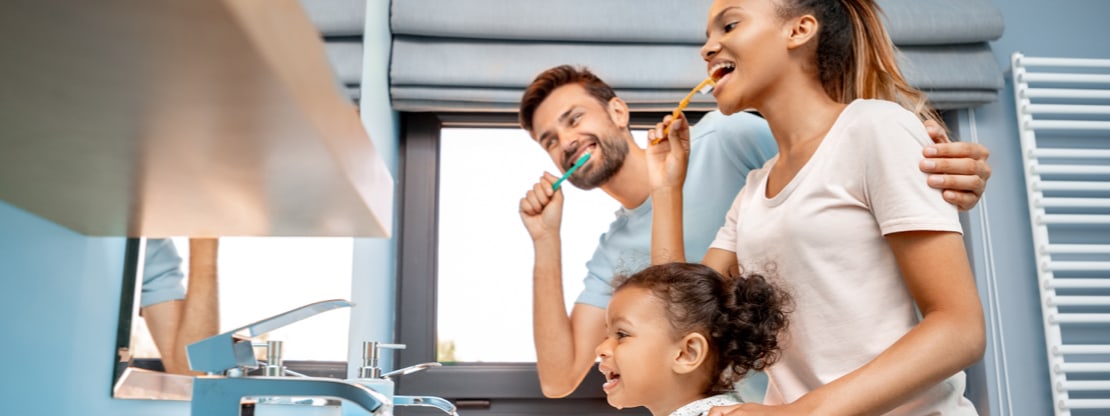
Good oral hygiene becomes even more important when you wear braces. Food easily gets trapped around your brackets and wires in ways it never does with plain teeth. A piece of spinach or a bit of sauce can sit against your enamel for hours if you don’t address it. That kind of buildup raises the risk of staining and tooth decay over a long treatment period.
Follow this simple routine to protect your teeth:
- Rinse your mouth with water right after eating.
- Brush gently at least twice a day.
- Angle your toothbrush toward the brackets.
- Use a soft-bristled brush and avoid irritating your gums.
Flossing with braces takes more effort, but skipping it raises your risk of gum problems. Use a floss threader and guide the floss beneath the wire to clean between each tooth.
Orthodontic floss picks are another option you might find easier to manage. Make flossing a nightly habit and protect your gum health throughout the process.
Regular dental exams and cleanings are also important during orthodontic treatment because brackets and wires can make some areas harder to clean at home.
Take the Next Step Toward a Straighter Smile
Adapting your diet for braces takes a little patience, but the routine becomes second nature quickly. Protect your braces and keep your treatment timeline on track. Regular teeth cleaning appointments also help remove buildup that’s harder to reach with brackets in place.
Whether you’re looking into braces for your child or considering braces, Invisalign®, or another orthodontic option for yourself, we’re here to help. Book an orthodontic consultation with Fairlawn Dental Centre in Ottawa to find out which option may fit your or your child’s smile.