


Key Takeaways
- A root canal repairs a badly decayed or infected tooth.
- Local freezing numbs the area before treatment begins.
- Many people compare the appointment to having a filling placed.
- Most visits take roughly 60 to 90 minutes.
- Mild soreness for a few days afterward is common.
- Call a dentist if pain or swelling increases.
The word “root canal” tends to land harder than the treatment itself. You’ve probably heard a story from a coworker or a relative that made you wince, and now a sore tooth has you wondering what you’re in for. That question comes up often at Fairlawn Dental Centre.
For most people, a root canal feels similar to having a filling placed, because the area is numbed before the work starts, and the toothache leading up to the appointment usually feels worse than the treatment.
What a Root Canal Treats
A root canal repairs a tooth that’s badly decayed or infected. The infection reaches the soft tissue inside the tooth, which is why a surface fix like a small filling isn’t enough at that point.
Left alone, these infections don’t clear up on their own.
Signs You May Need One
Certain symptoms tend to show up before a root canal is recommended, and they’re worth paying attention to:
- Pain when you chew or bite down
- Gums that feel tender, look swollen, or appear darkened
- Sensitivity to hot or cold that lingers after the food or drink is gone
Why Delay Makes Things Harder
An infection can spread to the bone surrounding the tooth. Meanwhile, pressure builds inside the tooth, and that’s often the source of the ongoing ache that keeps you up at night or makes chewing on one side impossible.
How Much a Root Canal Hurts
Before anything else happens, local freezing numbs the area. Once that takes hold, you feel movement and pressure rather than pain, which is why so many people walk out saying it reminded them of a filling appointment.
If you’ve been living with a throbbing tooth for a while, the treatment often feels like a step away from that discomfort rather than toward more of it.
The Part That Feels Most Noticeable
The moment most people remember is the numbing injection, and what you feel there is pressure more than a sharp sting. Heavily infected teeth can take longer to numb fully, so the team may add more freezing and give it extra time before starting.
What Happens During the Appointment
Knowing the order of events can take some of the guesswork out of the visit. Here’s how a typical appointment moves along:
- X-rays are taken to look at the tooth and the extent of the infection.
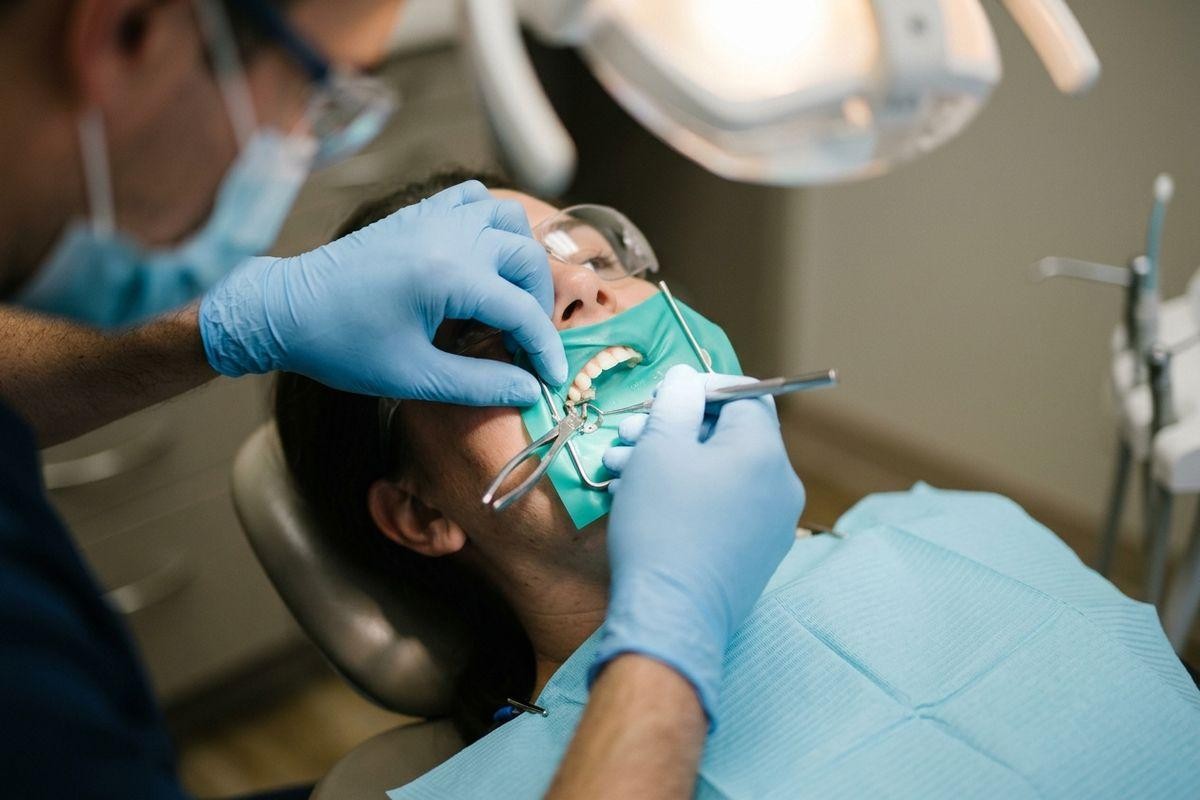
- The area is numbed, then a small protective dam is placed to keep the tooth isolated.
- The tooth is cleaned and sealed, then finished with a filling or a crown.
How Long It Takes
Most appointments run roughly 60 to 90 minutes. Some cases need a second visit, and your Ottawa dentist can let you know which applies to your tooth before you book.
Recovery & Comfort Afterward
The numbness usually sticks around for a couple of hours after you leave. Wait until the freezing wears off before eating, since it’s easy to bite your cheek or tongue without noticing when you can’t feel them.
Mild soreness for a few days is normal and tends to settle down on its own.
Return to Daily Routine
Most people head back to work, school, or errands the same day. Keep brushing and flossing as usual, including around the treated tooth.
Foods That Help
Soft, easy meals make the first day or two more comfortable:
- Yogurt, scrambled eggs, and soft fish
- Skip hard and sticky foods such as nuts, popcorn, and caramel
- Chew on the opposite side to keep pressure off the treated tooth
When to Call an Ottawa Dentist
Some tenderness is expected, but a few things are worth a phone call. Reach out if you notice any of the following:
- Pain that persists or comes back stronger
- Swelling or discomfort that keeps increasing
- Trouble biting down normally once the soreness should be easing
Regular exams and Ottawa teeth cleaning appointments help catch decay while it’s still small, which is often the difference between a quick filling and a longer visit.
The team at Fairlawn Dental Centre can look at what’s causing your tooth pain and walk you through your options, whether that’s a filling, a root canal, or another treatment. Book an appointment today and get some answers about that sore tooth.