

You rinse with mouthwash after brushing your teeth, but you wonder if those extra 30 seconds actually make a difference. Your bathroom cabinet might be full of different bottles promising various benefits, yet you’re not sure which ones work or if you even need them at all.
Mouthwash isn’t necessary for everyone, but it can provide valuable benefits for some oral health needs and situations. The key is understanding what mouthwash does and whether those benefits match your dental health requirements.
At Fairlawn Dental Centre, we’re happy to help families understand which oral care products actually benefit their dental health. This includes the benefits of routine dental cleanings.
What Mouthwash Does for Your Mouth
Mouthwash reaches spaces your toothbrush and floss might miss, especially around your gum line and between teeth. This is because the liquid flows into small crevices where bacteria like to hide.
When you swish mouthwash around your mouth, this reduces the bacteria that create bad breath and helps remove tiny food particles left after meals. Some formulas of mouthwash contain fluoride that strengthens your tooth enamel, while all varieties provide temporary breath freshening. This extra cleaning action can be especially helpful for people who struggle with maintaining thorough daily oral care.
When You Might Need Mouthwash
Specific Oral Health Conditions
Certain health situations make mouthwash more than just a nice addition to your routine. If you take medications that cause dry mouth, mouthwash can help replace moisture and wash away bacteria that multiply when saliva production decreases.
You might notice your gums looking red or feeling tender—early signs of gum inflammation that antibacterial mouthwash can help address. People with frequent bad breath despite thorough brushing often find mouthwash helpful for reaching bacteria in hard-to-clean areas.
Your dentist might recommend mouthwash if you have a high cavity risk or if you’re recovering from dental procedures. The extra protection and gentle cleaning action support healing and prevention, particularly when combined with regular dental exams.
Lifestyle Factors
Some daily situations make mouthwash particularly useful. If you have trouble reaching your back molars with your toothbrush, mouthwash can clean those areas more easily.
Wearing braces creates many small spaces where food gets trapped and regular brushing becomes challenging. Mouthwash flows around brackets and wires to clean areas your toothbrush struggles to reach.
People with busy schedules sometimes use mouthwash when they can’t brush thoroughly, though it shouldn’t regularly replace proper cleaning techniques.
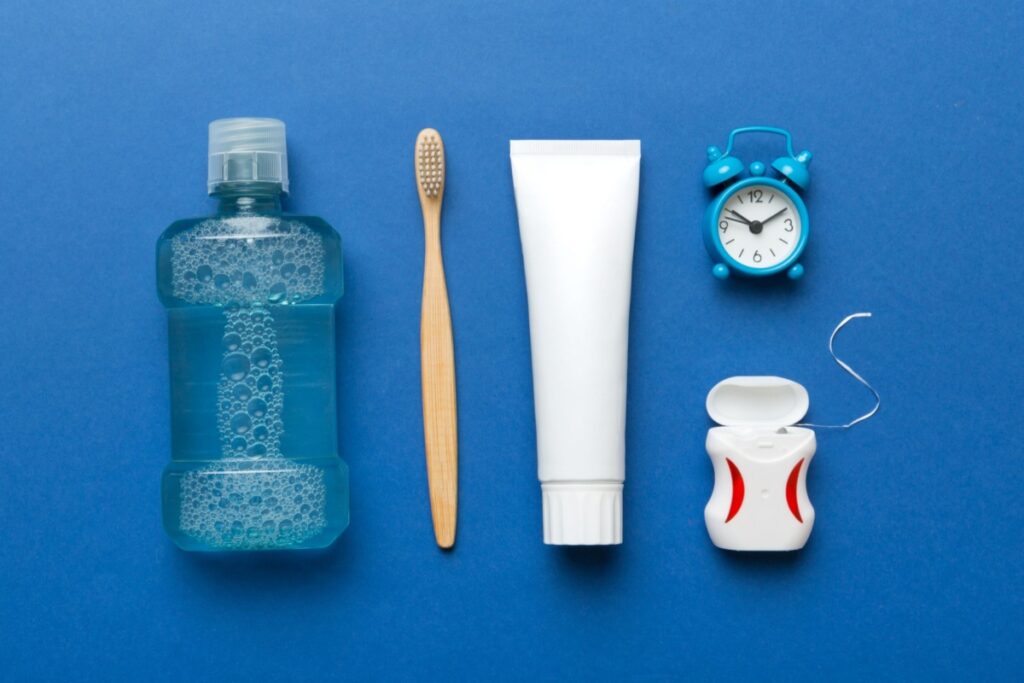
Types of Mouthwash & Their Benefits
Fluoride Mouthwash
These formulas help prevent cavities and strengthen your tooth enamel. The fluoride works similarly to fluoride toothpaste but reaches different areas of your mouth. You’ll often see these recommended for people prone to tooth decay, especially those who have needed multiple fillings in the past.
Antibacterial Mouthwash
This type of mouthwash reduces the harmful bacteria that cause gum problems and bad breath. The active ingredients target specific bacteria strains that contribute to plaque buildup and gum inflammation. Many people notice fresher breath and healthier-feeling gums within a few weeks of regular use.
Dry Mouth Mouthwash
These formulas provide moisture and comfort for people with reduced saliva production. They often contain ingredients that help your mouth retain moisture longer than water alone. The relief can last several hours after rinsing.
Natural or Alcohol-Free Options
Gentler formulas work well for sensitive mouths or people avoiding alcohol. These versions provide similar cleaning benefits without the burning sensation some people experience with traditional mouthwashes. They’re often recommended for children and people with mouth sores.
Mouthwash Limitations You Should Know
Mouthwash cannot replace proper brushing and flossing, it only supplements your regular routine. The breath freshening effects last just a few hours, so you shouldn’t rely on mouthwash alone for long-term fresh breath.
Some formulas may cause mouth irritation, especially if you have sensitive tissues. Alcohol-based versions can actually worsen dry mouth conditions by removing natural moisture. Mouthwash might also mask underlying dental problems that need professional treatment rather than cover-up solutions, which is why regular dental exams remain important for detecting issues early.
How to Choose the Right Mouthwash for You
Consider Your Specific Needs
For cavity prevention, look for fluoride-containing formulas. If gum health concerns you, choose antibacterial options that target the bacteria causing inflammation.
People with sensitive mouths should select alcohol-free varieties that won’t irritate tissues. Those dealing with dry mouth benefit from moisturizing formulas designed to provide lasting comfort.
Check the Ingredients
Fluoride provides cavity protection, while cetylpyridinium chloride reduces bacteria effectively. Xylitol offers dry mouth relief and may help prevent tooth decay.
Avoid alcohol-based formulas if you have mouth sensitivity, take certain medications, or have conditions that affect your oral tissues. Reading ingredient labels helps you find products that match your health needs.
Protect Your Smile in Ottawa
Whether you need braces, Invisalign®, implants, or veneers, our team at Fairlawn Dental Centre can suggest mouthwash options that complement your treatment plan. As your dentist in Ottawa, we can evaluate your current oral care routine and help you decide if mouthwash provides meaningful benefits for your dental health. Contact us today to schedule your consultation and learn more about maintaining your oral health.