

Many people have chosen dental veneers to get the smile they want. But that often comes with a big question: how long will they last? It’s a good question, as you want to know that this choice for your smile is a durable one.
The lifespan of your veneers depends on the material they’re made from, your daily habits, and how you care for them. With the right care, porcelain veneers can last 10 to 15 years or more, while composite veneers typically last around 5 to 7 years.
What Are Dental Veneers?
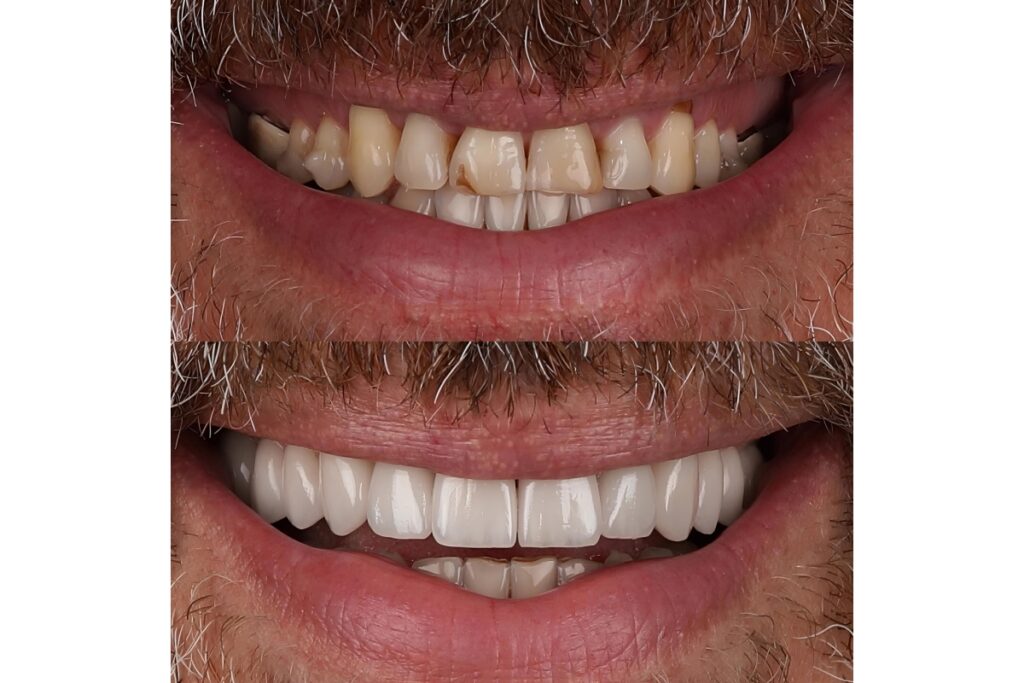
A dental veneer is a thin, custom-made shell shaped to cover the front of a tooth. These thin coverings fit over your natural teeth to address a variety of cosmetic concerns, such as colour, shape, size, or length. They’re usually made from 1 of 2 materials:
- Porcelain Veneers: These strong, tooth-coloured shells are crafted in a lab to match your teeth. They resist stains well and can give you a very natural-looking result.
- Composite Resin Veneers: Your dentist can make these veneers from a tooth-coloured filling material and bond them directly to your tooth. This process often takes less time than placing porcelain veneers.
Factors That Affect Your Veneers’ Lifespan
How long your veneers last largely depends on the material you and your dental team choose.
Porcelain veneers typically last from 10 to 15 years, and sometimes longer. Their durable materials help them withstand daily use. Composite veneers generally have a shorter lifespan of about 5 to 7 years. While they may stain or chip more easily, they’re also simpler to repair.
Your daily habits play a big role in how long veneers keep their appearance and function, such as:
- Your Oral Hygiene: While the veneer itself cannot decay, the tooth underneath can. Daily brushing and flossing are important to keep your natural teeth healthy.
- Bite Pressure & Grinding: Habits like clenching your jaw or grinding your teeth can put extra pressure on your veneers, which may cause them to chip or crack.
- Your Food & Drink Choices: Chewing on hard items like ice or hard candy can damage veneers. Dark liquids like coffee or red wine may also cause tooth discolouration on composite veneers.
Choosing an experienced dentist to apply your veneers is crucial, as a secure fit helps protect the veneer from damage. The better your veneer is bonded to your tooth, the better its long-term success. Regular checkups help monitor the condition of your veneers over time.
How to Care for Your Veneers
You can take simple steps to protect your veneers and help them last as long as possible. Good maintenance is straightforward and very similar to caring for your natural teeth.
Maintain Good Oral Hygiene
Brush your teeth twice a day with a soft-bristled toothbrush and floss every day. Regular professional teeth cleaning also helps keep your gums and the edges of the veneers healthy.
Protect Your Smile From Impact
If you play contact sports, wear a mouthguard to protect your teeth and veneers from injury. If you grind your teeth at night, a night guard can prevent damage while you sleep.
Watch What You Eat
You can typically eat most foods, including apples. However, it’s wise to be cautious with very hard foods. For something like a crisp apple, you might cut it into slices first to reduce direct pressure on your veneers.
The Tooth Underneath & Veneer Replacement
Veneers are a popular cosmetic option, but it helps to understand the full picture before you decide. The journey involves a few key steps, from your first talk with the dentist to the final placement. It starts with a conversation about your smile. Your dentist will evaluate your teeth to determine whether veneers are a suitable option for you and discuss the available materials.
After your first visit, the process usually involves preparing the tooth and taking an impression to create your custom veneer. Your dentist removes a very thin layer of tooth enamel from the front of your tooth. This step allows for a proper fit. The tooth underneath remains alive but will always need a veneer or another type of covering. You may need to wear a temporary veneer while your custom one is made.
At a follow-up appointment, the finished veneer is bonded to your tooth, and your smile is ready!
Signs You May Need a Replacement
Over time, you might notice signs that it’s time to replace your veneers. Pay attention to how your smile looks and feels.
- The veneer has chips, cracks, or looks worn.
- You see stains or discolouration, especially around the edges.
- Your gums have receded, which exposes the top edge of the veneer.
- The veneer feels loose or has moved out of place.
Replacing an old veneer is often a similar process to the original placement. The old veneer is carefully removed, and your tooth is prepared for a new impression and a new custom veneer.
Get Ready to Smile
Veneers have helped many people enjoy the smile they’ve always dreamed of. If you have more questions about veneers or want to know if they’re the right choice for you, our team at Fairlawn Dental Centre is here to help.
Contact us to schedule a consultation and take the next step toward the smile you want.