
You’ve probably heard stories about wisdom tooth removal, but you might wonder if yours really need to come out. Many people assume these third molars always cause problems, especially when they start feeling pressure or discomfort in the back of their mouth.
Wisdom teeth don’t always need to be removed—it depends on whether they have enough space, stay healthy, and can be properly cleaned. Your mouth’s unique size and shape determine whether these teeth become helpful or harmful. Our team at Fairlawn Dental Centre evaluates each case individually to help you make the right decision.
When You Can Keep Your Wisdom Teeth
Your wisdom teeth can stay if your mouth has enough room for them to emerge properly. When these teeth have adequate space, they align naturally with your other teeth and don’t push against your molars or crowd your mouth.
You can also keep them when they’re easy to reach with your toothbrush and floss. If you can clean around these back teeth without struggling, you’ll prevent the buildup of food particles and bacteria that often cause problems. Proper brushing and flossing techniques become even more important for maintaining these hard-to-reach areas.
The absence of pain, swelling, or recurring infections is another good sign. When your wisdom teeth emerge without causing discomfort or dental complications, they can function just like your other molars and help you chew food effectively.
Signs Your Wisdom Teeth Should Be Removed
You’ll notice crowding when your wisdom teeth push against other teeth and start changing how your bite feels. This pressure can undo years of orthodontic work or create new alignment issues that affect how you eat and speak.
Repeated infections, pain, or gum swelling around your wisdom teeth indicate they’re causing ongoing problems. These symptoms often happen when teeth only partially emerge, creating pockets where bacteria can gather and multiply. Recognizing gum problems early can help prevent more serious complications.
Hard-to-reach areas that collect food and plaque signal trouble ahead. When you can’t properly clean around your wisdom teeth, decay and gum disease become almost inevitable, potentially affecting nearby healthy teeth.
Common Problems Wisdom Teeth Can Cause
Impact on Your Other Teeth
Your front teeth can shift out of alignment when wisdom teeth create pressure throughout your mouth. This domino effect happens gradually, so you might not notice the changes until your smile looks different or your teeth feel crowded.
Nearby molars can suffer damage from constant pressure against their roots or crowns. This pressure can cause pain, make teeth more susceptible to decay, or even require treatment for the affected molars. Tooth fillings may be needed if decay develops in these hard-to-clean areas.
Oral Health Challenges
Bacteria can get trapped behind partially emerged wisdom teeth, creating conditions for gum disease to develop. These areas become difficult to clean, allowing harmful bacteria to multiply and cause inflammation that can spread to other parts of your mouth.
Tooth decay often develops in the hard-to-reach spaces around wisdom teeth where your toothbrush can’t effectively remove food particles. This decay can affect both the wisdom tooth and the adjacent molar, potentially requiring multiple treatments. Dental plaque formation helps explain why these areas become problematic.
What to Expect During Your Wisdom Tooth Evaluation
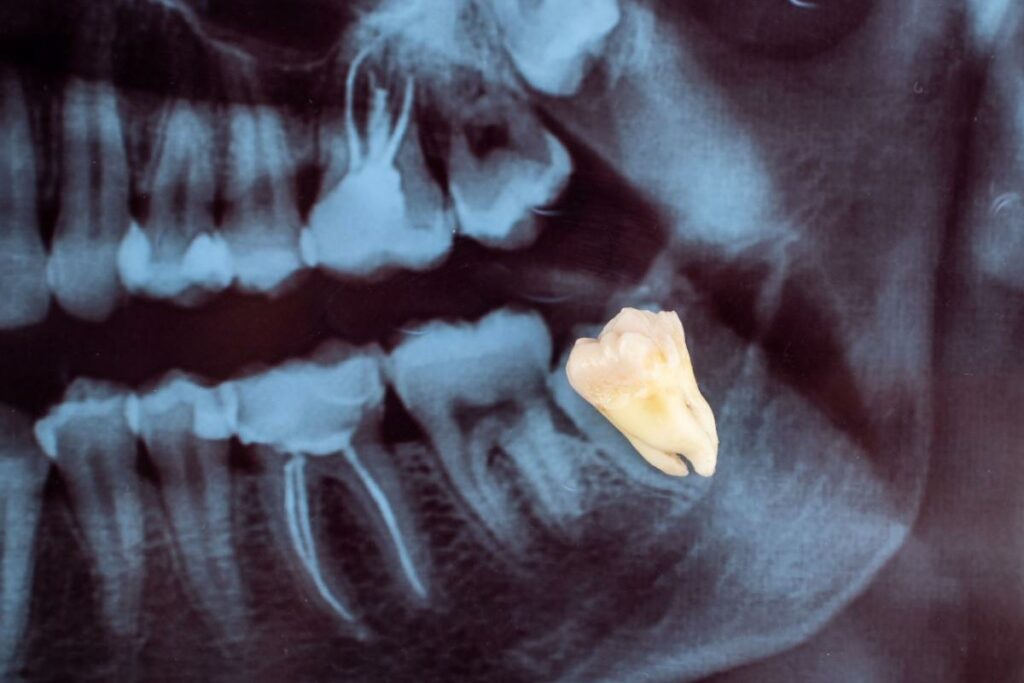
X-rays reveal the position of your wisdom teeth and how their roots are developing beneath your gums. These images help your Ottawa dentist see potential problems before they cause pain or damage to other teeth. Dental x-ray frequency depends on your individual risk factors and oral health needs.
During your mouth examination, your dentist checks how much space you have and whether your wisdom teeth are emerging at the right angle. They’ll also look for signs of gum irritation, decay, or other complications that might require attention.
You’ll discuss timing for removal if your wisdom teeth need to come out. The dentist can explain whether immediate removal is necessary or if you can wait and monitor the situation with regular checkups and teeth cleaning appointments.
Making the Right Decision for Your Family
Each person’s mouth develops differently, which means your teenager might need wisdom tooth removal while their sibling can keep all four teeth. Factors like jaw size, tooth alignment, and oral hygiene habits all play a role in determining the right approach.
Regular dental checkups allow your dental team to monitor how wisdom teeth are developing over time. These visits help catch potential problems early, when treatment options are simpler and more comfortable. Starting dental care early helps establish good oral hygiene habits that benefit your entire family.
Our team at Fairlawn Dental Centre can evaluate your wisdom teeth and help you understand your options. Schedule an examination to learn whether your wisdom teeth can stay healthy in your mouth or need professional attention.